ServicesRoof-Mounted Solar
Roof-Mounted Solar in Grapevine
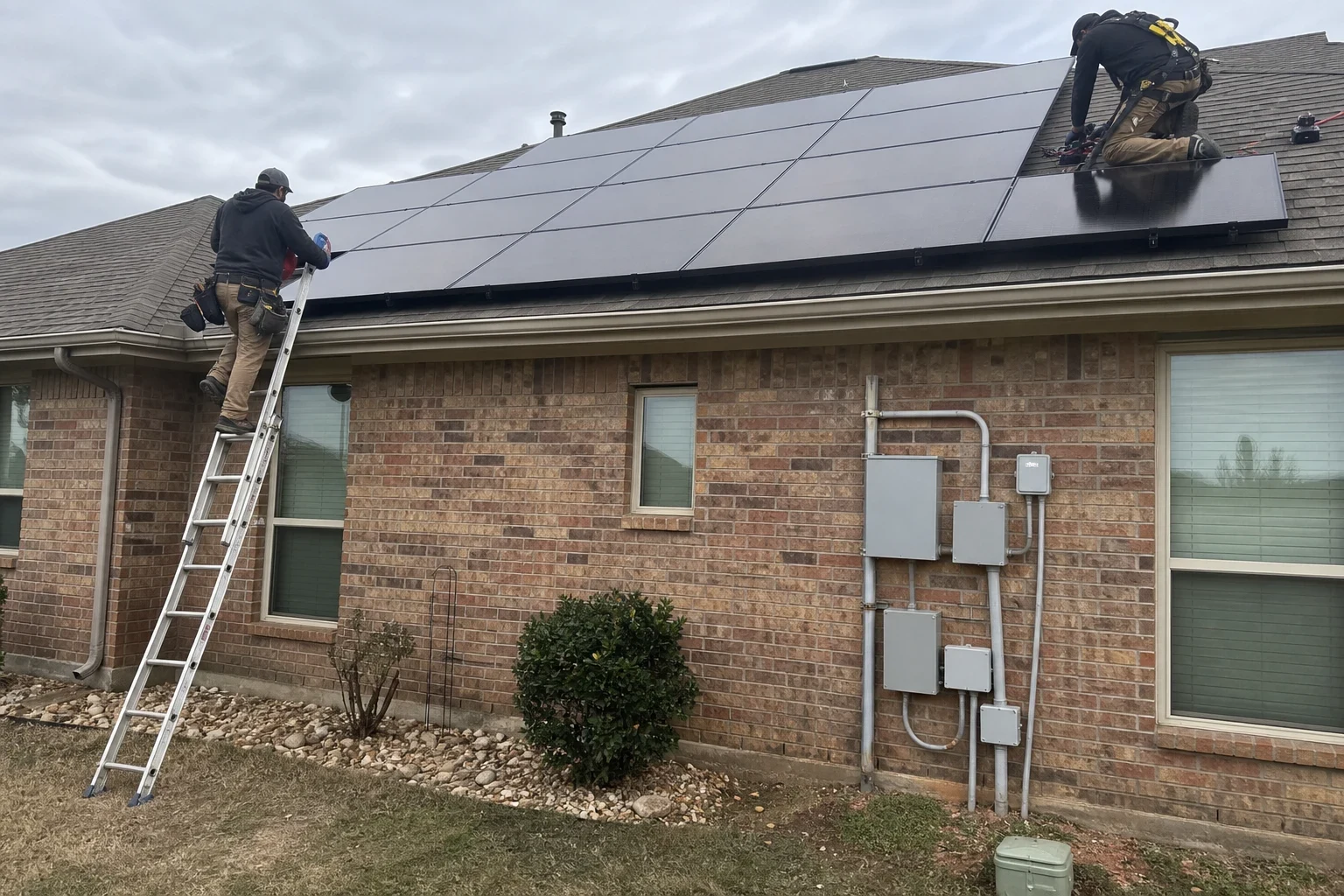
We put solar panels on the roof you already have, attached to the rafters and flashed so water stays out. Before anything goes up, we check your shingles, decking and layout, then tell you plainly whether your roof is ready.
Solar that works with your roof
Most homes that go solar use the roof. It's already facing the sky, it keeps panels out of the yard, and it's usually the shortest wire run to your electrical panel. Roof-mounted solar is our name for doing that job carefully: rails anchored into the structure, every hole sealed, and the array laid out around vents, valleys and shade.
The roof is the part people worry about, and fairly so. A mount screwed into decking instead of a rafter, or a penetration with no flashing, is how leaks start. We find the rafters, flash each attachment and photograph the work before panels cover it.
If you're still deciding whether solar makes sense at all, our Solar Panel Installation page covers the bigger picture. This page is about the roof itself.
What's part of the job
Checking the roof before we design
We check how worn the shingles are, feel for soft decking and note how old the roof is. If it's nearing replacement, you hear it before signing, so your roofer can take care of it first.
Mounts fastened into rafters
Every attachment is driven into a rafter rather than only the plywood. That keeps the array in place when North Texas storms send wind over the roof.
Flashed at every hole
Each mount gets flashing tucked beneath the shingle course above, along with roof-rated sealant. Water would have to beat two layers of protection instead of one.
Panels placed with the roof in mind
We hold panels back from ridges, valleys and plumbing vents and keep the setbacks required by fire code.
Neat wiring and conduit
Wires are clipped along the rails and run cleanly, and conduit stays as short and low as the roof permits.
Permit and inspection handled
We get the city permit, meet with the inspector and manage the utility paperwork, so you don't have to track down forms.
Signs roof-mounted solar fits your home
A south or west roof face
Roof planes facing south or west catch the most sun. East faces can work too, just with a little less output.
Not much shade overhead
Mature trees are lovely in July, but heavy shade on the roof cuts production. We'll show you where shade falls through the day.
Shingles that aren't near the end
An array sits in place for a long time, so it belongs on a roof that won't need tearing off soon. If yours is getting close, we'll say so plainly before any design work.
No room or wish for ground panels
If your yard is small or you'd rather keep it open, the roof is the natural place for the array.
Summer bills you dread
Long cooling seasons mean big afternoon loads, and that's exactly when a well-placed roof array produces most.
How the job goes
- 1
Phone conversation
You tell us about your home, your roof's age and your recent bills. We ask a few questions and set a time to come look.
- 2
Site visit and roof check
We go up, check the shingles and decking, measure the planes and note vents and shade. You get photos of what we found.
- 3
Design and permit
We lay out the panels, show you the plan and price, and file for the permit once you're ready.
- 4
Install day
Most roof installs take a day or two. We protect the landscaping below, find rafters, flash each mount, set the rails and panels, and clean up nails and scraps before we leave.
- 5
Inspection and turn-on
Once the city inspector signs off and the utility gives its go-ahead, we power the system up. Then we show you how to read the monitoring app so you can watch what your roof produces.
What moves the price
Every roof is a little different, so we price after we've seen yours. Panel count is only one piece of it; pitch, height and the number of obstacles the crew works around up there count too. We'll walk you through each line on the estimate so nothing comes as a surprise.
- System size
- More panels mean more mounts, rails and wiring. We size the array to your usage, not to the biggest roof space we can fill.
- Pitch and number of stories
- A steep slope or a second story calls for extra fall protection and slower, more careful work up top. That added labor shows up on the estimate.
- Roof material
- Composition shingles are the most common and straightforward. Tile or metal roofs need different mounts and more careful handling.
- Layout complexity
- A roof cut up by dormers, valleys and vents may need panels split across several planes, which adds rails and wire runs.
- Electrical work
- An older or full electrical panel may need an upgrade to accept the solar connection.
Questions about roof-mounted solar
Something not covered here? (817) 318-6892
Will the panels make my roof leak?
Not with proper mounting. We anchor every bracket into a rafter, slide flashing under the shingle course above it and finish with roof-rated sealant. Each attachment gets photographed before the panels go over it, so you can see the work for yourself.
What happens if my roof needs replacing later?
The panels can be taken down and reinstalled. It's extra work, which is why we check your roof's condition first and tell you if replacing it before solar would be the smarter order.
Do you replace roofs?
No, we don't do roofing. If your roof needs work, we'll explain what we saw and you can have your roofer take care of it before we install.
Can the panels take a hailstorm?
Most modules have a tempered glass face that's impact-tested for hail, and they usually ride out typical Grapevine-area storms without damage. Very large hail can still crack one. If that happens, our Solar Repair page explains how we check the array and swap out a damaged module.
Do I need HOA approval?
Many neighborhood associations want to see plans before work starts, and we'll prepare layout drawings you can include with your HOA paperwork. Texas law limits how far an HOA can block solar, though they may have a say on placement.
Does the array need cleaning?
Rain does most of the work, but dust and pollen build up during dry stretches. Our Panel Cleaning page covers when a rinse is worth it.
Find out if your roof is ready
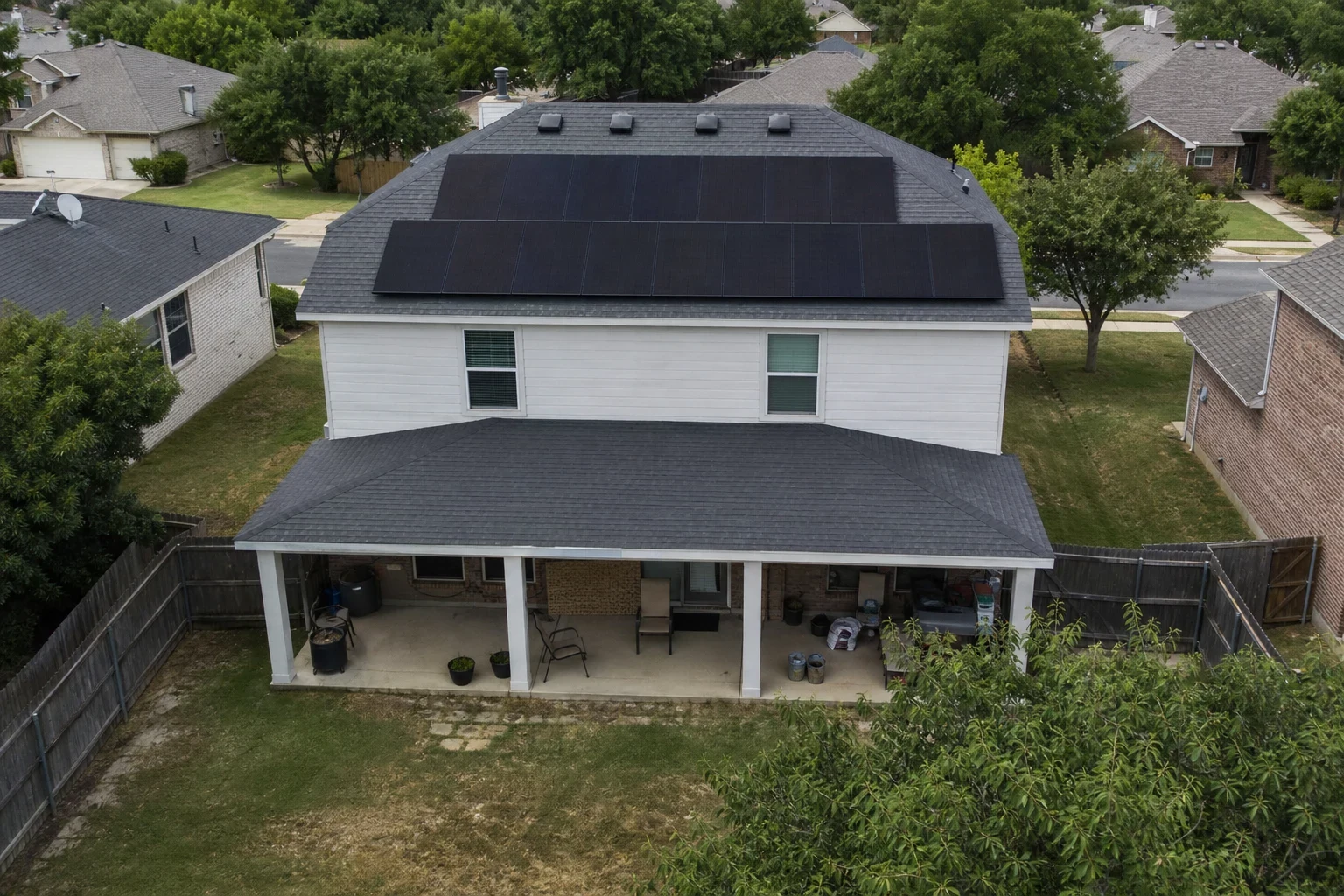
Tell us a little about your home and your roof's age. We'll set up a visit and give you an honest read on whether roof-mounted solar is a good fit.